




Six Tips for Extending the Life of Your Winter Tires
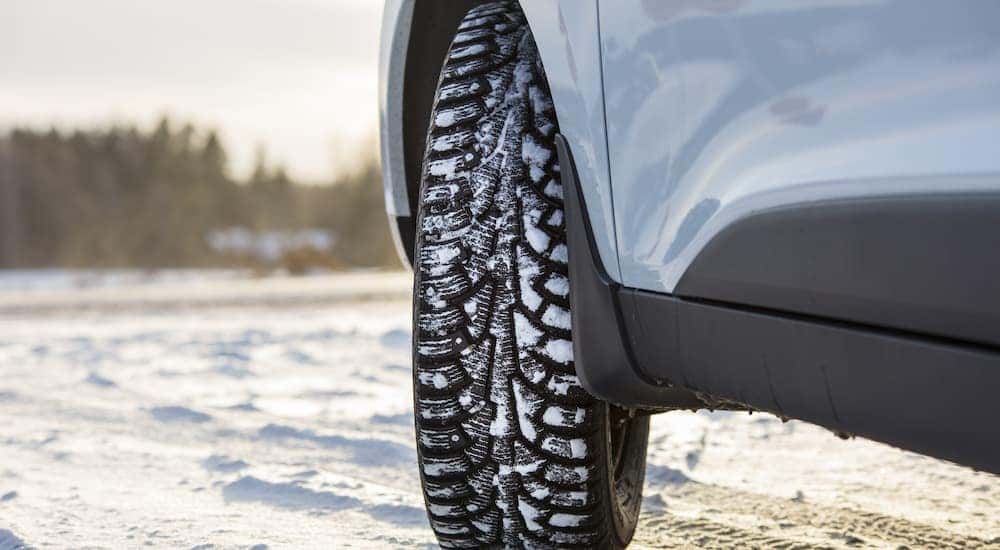
Winter tires can make all the difference when it comes to safely navigating snow, ice, and other types of winter weather. While drivers in warmer climates might be able to get away with using all-season tires year-round, winter tires are virtually a must-have in regions like ours, where words like “parking ban” and “snow day” are thrown around on a seasonal basis. Of course, you don’t need winter tires for more than half of the year. While it’s easy enough to simply forget about them until the snow starts to fly, a little maintenance can make the difference between a safe winter drive and one that ends up with you searching the internet for “tire service near me” as you sit on the side of the road post-skid. With some TLC, a good set of winter tires should last for around four years, so follow these tips if you want to keep them off your holiday shopping list for the foreseeable future.
Cleaning
After removing your winter tires, and before you stow them away for the warmer months, make sure to give them a thorough cleaning. This might seem like more of a cosmetic step, but the fact is that the road grime, brake dust, and dirt that accumulates on tires can actually be quite corrosive in the long run if not dealt with. You might be tempted to spring for a specialty tire cleaning product, tire gloss, or dressing, but these can actually take a toll on the tires as they sit in storage, especially products that use abrasive or petroleum-based compounds. These compounds are great for tires that are in constant use, protecting them from ozone cracking and other environmental factors, but they can work against you if the tires aren’t seeing regular use. Instead, use a simple mixture of mild dish soap and lukewarm water, and grab a tire brush to clean up any grime before rinsing with water. Let the tires dry out completely before moving on to the next step, as any moisture can compromise the integrity of the tires.

Bagging
Air and sunlight are your enemies when it comes to long-term tire health, so it’s important to limit exposure to both when storing your winter tires. Oxygen can speed up the oxidation process and allow oils to evaporate out of the tires, drying them out and shortening their service life. For this reason, it’s important to store your winter tires in an airtight plastic bag when not in use. For even better results, try to remove as much oxygen from the bag as possible. This can be accomplished by tightly wrapping the tires in plastic and then using a vacuum cleaner to suck all the excess air from the bag. There are some specialty tire storage caddies and bags on the market designed for just this purpose, but if you’re looking to save some money, a heavy plastic black contractor bag works just as well. Bagging your tires will also make them easier to transport without making a mess, which can be an important consideration if you’re having your seasonal tire swap performed here at Faricy Chrysler Jeep and then carting your tires home.
Limit Sun Exposure
As we just mentioned, sun exposure can be another major factor when storing your winter tires. The accompanying heat can cause the rubber compounds in the tire to degrade, and the UV rays can dry them out, taking miles off a tire’s life even when it’s not in use. The easiest way to protect your winter tires from sun exposure is to use a tire storage bag like the ones mentioned above, which will protect your tires from not only air exposure but also harmful UV rays. At the very least, you’ll want to wrap your tires in a thick, sun-protectant tarp and store them out of direct sunlight. Location is key when you’re trying to protect your tires from sun exposure. Find a cool, dry, well-ventilated area where you can store your tires, being mindful of any extreme temperature fluctuations that could cause your tires to age prematurely. For example, a basement is preferable over a garage, shed, or attic as it’s less likely to face drastically different temperatures over the warmer months. A climate-controlled storage unit is an even better option, though it comes at a cost.
Avoid Chemical and Ozone Exposure
While storing winter tires in your basement is ideal in terms of limiting sun exposure and avoiding fluctuating temperatures, it can present some other issues. Ozone exposure is one such challenge, as the gas can cause the tire’s polymer chains to deteriorate, leading to cracks in the sidewall. While ozone––technically a molecule made up of three oxygen atoms––isn’t on most people’s radar, it can be present around any electric motors that use contact brushes. These motors are commonly found in generators, compressors, furnaces, sump pumps, and central vacuum cleaners, which are present in many basements. Chemicals are another challenge, with substances like solvents, fuels, and lubricants taking their toll on a tire’s longevity. These chemicals don’t even need to come in contact with a tire to create problems, as the gasses they give off can be nearly as detrimental.
Stand, Don’t Stack
Now that you’ve got your tires cleaned, wrapped, and have a good spot picked out, it’s just a matter of figuring out how to store them. Stacking, standing, and hanging the tires are the three most popular options, and while this might seem like a minor consideration, it may be more important than you think. Standing is the best option of the bunch as it’ll put less stress on the tires and is less likely to result in the type of deformities that can hinder performance.
Stacking might be an appealing option for those looking to save space, but unlike standing, it can cause the tires to deform under their weight, especially if you stack them too high. If the tires are mounted on rims while in storage, stacking is less of a risk as the metal wheels will take the brunt of the weight, so consider investing in a second set of wheels if space is at a premium. Mounted tires can also be hung from tire racks and hooks, though this should be avoided with unmounted tires as the hooks will likely cause the tires to distort and sag. Regardless of how the tires are stored, they should be rotated once a month to prevent deformities.
Always Remove Tires
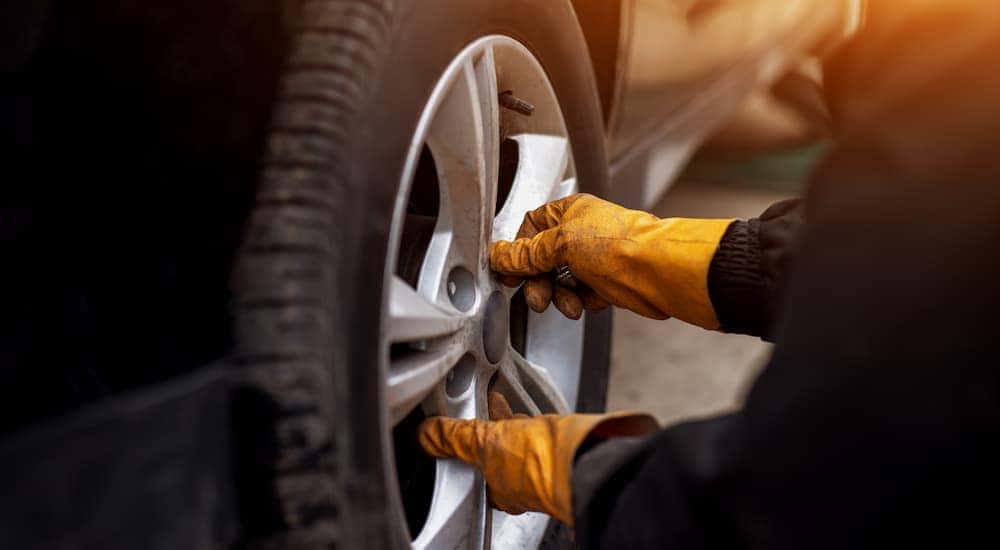
Say you’ve got a dedicated winter driver that doesn’t see much use during the warmer months. Does this vehicle need to have its winter tires removed at the end of each winter? The short answer is yes. Leaving tires on a car that isn’t seeing regular use can lead to what’s known as flat spotting, where a tire develops a flat spot at the point where it’s in contact with the ground. If you don’t want to bother switching tires on your winter vehicle, at least make sure to take it for a short drive every month to put some much-needed miles on the tires. This movement will keep the oil in the rubber compounds from collecting in one spot, preventing cracking and premature wear throughout the tires.
Don’t Forget to Switch Your Tires!
With a little time and attention, it’s easy to extend the life of your winter tires. A typical set of winter tires is rated to last around 30,000 miles, but that figure can take a hit if you fail to follow some basic maintenance and storage guidance. Despite all the advice we listed above, knowing when to remove your winter tires might be the single most important factor when it comes to increasing their longevity. While it’s important to put your winter tires on before the snow hits, it’s just as important to remove them as the weather starts to warm back up. Winter tires offer better cold-weather braking and grip than their all-weather counterparts, but that comes at the cost of hot-weather handling. Winter tires are also prone to wearing out more quickly due to the softer rubber compounds used in their construction, so switching them out can have a big impact on their service life. Lastly, winter tires provide a rougher ride than all-season tires, reducing comfort and causing increased wear and tear on not only the tires themselves but the road as well.
0 comment(s) so far on Six Tips for Extending the Life of Your Winter Tires