




Common Questions About Multipoint Vehicle Inspections

Here at Faricy Chrysler Jeep, we love vehicles and everything about them; that means checking out the latest models, of course, but it also includes taking care of our cars, trucks, and SUVs. We know that things like routine maintenance and getting a multipoint inspection might not be the most thrilling or romantic aspects of owning a vehicle, but they are absolutely essential. The problem, of course, is that since they are not as fun as going for a cruise on a Friday night or spending the weekend out on the trail, they often get overlooked. This means that people tend to have a lot of questions about how to properly care for their vehicles and sometimes don’t even realize they should be asking them. Today, to help you get the most from your ride, we’re going to answer some of the most common questions we get about multipoint vehicle inspections to give you a better sense of what they’re about and how they can help you better enjoy your vehicle.
What Is a Multipoint Inspection?
We’ll start with an easy (and important) one; a multipoint vehicle inspection is just what it sounds like––an inspection that covers a wide range of points and parts on a vehicle. This is in contrast to something like a brake inspection, which specifically examines one thing (the brakes, in this example) to make sure everything looks good. You can think of a multipoint inspection as a general vehicle inspection rather than a more specific one; both types of inspections are equally important for keeping your ride in the best shape possible.
The type of inspection you need for your vehicle depends on a wide range of factors but typically comes down to why you want an inspection. If you feel something off or hear a weird noise when you apply your brakes, then you’ll typically go for an inspection that focuses on your brakes (though we might look at your suspension and similar components, too). On the other hand, if you simply want to make sure your vehicle is in the best condition possible overall, then a multipoint inspection is likely a better choice.
What Does a Multipoint Vehicle Inspection Include?
This can vary depending on the shop you take your vehicle to, so keep that in mind as you continue reading this. It’s always a good idea to talk to the folks at a service center about what they’re specifically checking when performing this kind of inspection. Some locations will even show you the checklist that they use when running this type of inspection, giving you a clear sense of what parts they’re looking at. Most inspections include the following:
Engine and Powertrain
One of the most important parts of a multipoint vehicle inspection is checking your engine and the various elements that all connect to and depend on it. This includes the engine itself, of course, along with your motor oil and its filter—both of which need to be changed on a regular basis. Your engine also has an air filter that can be checked and replaced as needed; this part of the inspection can also include your transmission, exhaust system, and more.
Belts and Hoses
Your vehicle has numerous belts that connect different parts to each other to transfer power (like from your engine to your alternator) that wear down over time. A multipoint inspection can check on these belts along with the various hoses that run through different systems with fluid in them. Your radiator and cooling system, transmission, brakes, and other components have hoses that should be inspected for leaks or damage.
Various Fluids
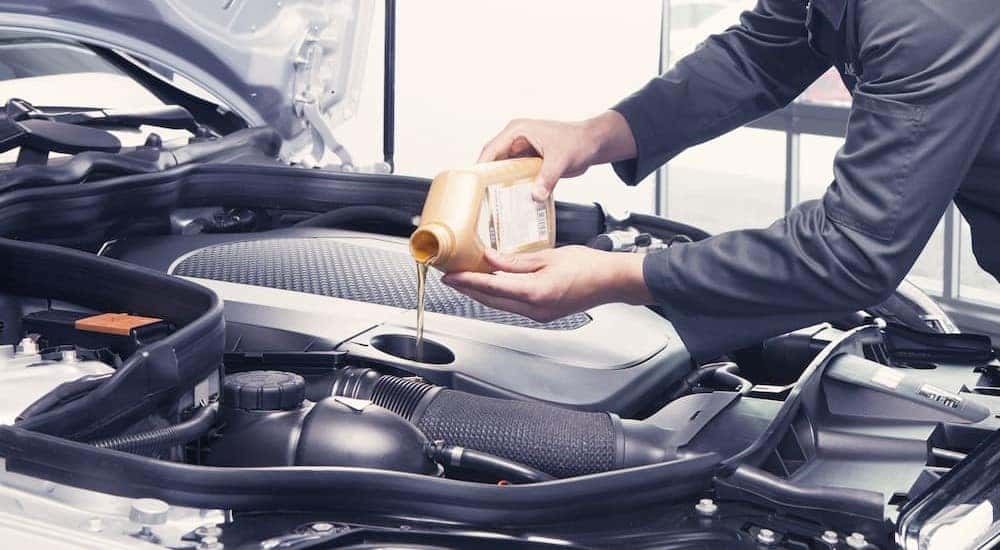
Speaking of fluids, a multipoint inspection can check these different fluids to see if any of them are low or need to be replaced. Over time, these fluids can get dirty or work less effectively, so they need to be replaced at different points to keep things running well. This includes the motor oil, coolant, brake fluid, and wiper fluid.
Brakes, Wheels, and Suspension
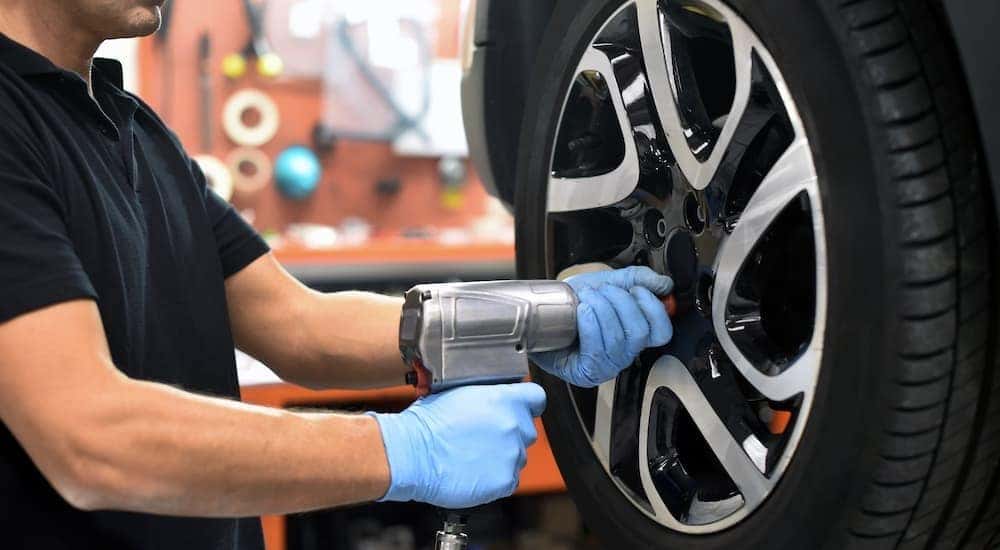
One of the main reasons your vehicle will be raised up on a lift for a multipoint inspection is to check your brakes, wheels, and overall suspension. These parts are all interconnected, so it’s easy to inspect them together and make sure everything looks good. This can be part of an alignment check and adjustment or brake inspection, but it’s also typically included with a larger, multipoint checkup to catch potential problems.
Exterior Checks
Various points on the outside of your vehicle will typically be inspected during this process, including your door latches, exterior panels, and rear hatch or tailgate. We can check to make sure your headlights, taillights, and brake lights all work properly and that the tread and condition of your tires are in great shape. This inspection can also check for damage to your mirrors or any of your windows, along with your windshield wipers and their blades.
Interior Inspection Points
The interior of your vehicle is also typically included in this sort of inspection, including your cabin air filter (even if access to it isn’t from the interior). Other interior points like your steering wheel, brake pedals, horn, airbags, and seat belts can all be included in such an inspection. Even things you might easily overlook, like your floor mats and interior lights, can be included to make sure everything looks good and works properly.
Why Should I Get a Multipoint Inspection?
The biggest reason to get a multipoint vehicle inspection is to find any issues before they become much bigger problems. For example, during such an inspection, one of our expert technicians might find that your brake pads are wearing thin or discover damage to one of your tires. You can easily overlook these things since they’re not causing you any trouble yet, but having your brakes fail, or a tire come apart while you’re on the freeway is not how you want to find these problems. Routine inspections help you get ahead of critical issues so that you can take care of them quicker, easier, and cheaper. These types of inspections are a great form of preventative care, replacing old parts before they cause damage to something else.
How Often Should I Get a Vehicle Inspection?
We typically suggest a multipoint vehicle inspection in two different scenarios. The first is as part of a routine, scheduled service appointment that you make for your vehicle every so often. Your car comes with a service schedule from its manufacturer that includes different types of routine maintenance like oil changes, tire rotations, and more. We suggest having a multipoint inspection as part of your service schedule every time you pay us a visit for one of these services.
The second time is before you go on any kind of major road trip. Whether you are traveling a few hundred miles or more than a thousand, you want to know you can count on your vehicle to get you there and back again safely. Having your vehicle inspected thoroughly before a road trip helps you get ahead of any potential issues that might come up on a long drive. Plus, you get peace of mind from knowing your vehicle is in great shape. We would never go on a long trip without having our vehicle checked out first.
How Do I Schedule a Multipoint Vehicle Inspection?
Scheduling a multipoint inspection is incredibly easy, so long as you work with a service center that you know you can trust. You can schedule an appointment with us over the phone or here on our website quickly and easily. This means you won’t have to wait in line, since you know exactly when we’re expecting you. Since this type of inspection is so crucial for your vehicle to stay in the best shape possible, it is vital that you take your vehicle to a service center with great people who really know what they’re doing. This way, your car, truck, or SUV is in the best hands possible, and you know that the inspection was done properly before you hit the road.
0 comment(s) so far on Common Questions About Multipoint Vehicle Inspections