


Faricy Chrysler Jeep
Find your new set of Jeep tires here at Faricy Chrysler Jeep. While we perform maintenance on all vehicle types, we specialize in the Jeep world. As Jeep lovers ourselves, we also know that your tires are one of the most important factors to consider when you own a Jeep. Depending on what you're using your Jeep for, especially if it's a Wrangler, you may be doing anything from rock crawling and mudding to simple pavement driving.
This means choosing the right tires is essential. You don't want mud tires wearing away at your fuel economy if you use your Jeep for commuting. Similarly, standard all-season tires are not ideal for mudding and rock climbing. The good news is that here at Faricy Chrysler Jeep, we've got every tire type you could possibly think of for your Jeep. Whether you need on-pavement tires, off-road tires, or something in between, we've got you covered!
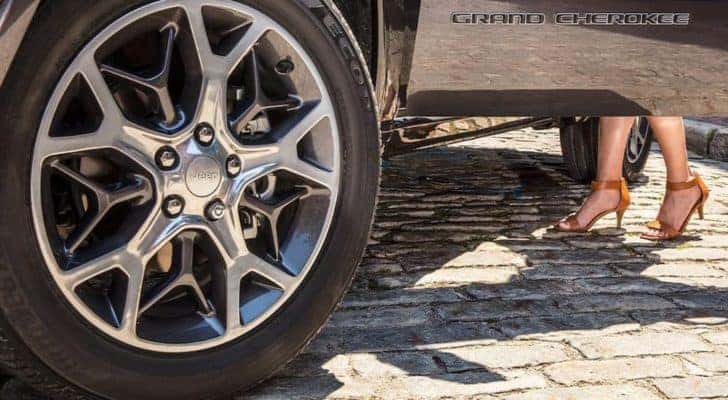
How do you know what tires to choose for your Jeep? It's a question that every driver, Jeep owner or not, faces when it's time to replace their factory tires. Do they opt for the same type of tires, or should they explore other options? It all depends on your driving style and plans behind the wheel.
Choosing the right type of tire for your Jeep requires looking at how you intend to drive your Jeep and where you want it to go. For example, you may drive a Wrangler, which has a penchant for adventure and the capability to explore life off the beaten path. However, if you prefer to keep your Wrangler on the pavement, a set of quality all-season tires is perfect and offers the ultimate balance of all-weather capability and efficiency.
But what if you're ready to answer the call of the wild in your Jeep? If that's the case, we encourage our more adventurous Jeep owners to consider all-terrain and mud-terrain tires that offer more aggressive and deeper tread patterns that optimize traction and handling in slippery and challenging conditions. While off-road tires are noisier and can impact your Jeep's fuel economy, their capability to navigate dicey terrain, from ascending steep inclines to rock crawling, makes them impossible to beat and the perfect addition to any adventure-ready Jeep.
While you may be an off-roader or an on-roader, the weather is an important aspect to factor in when buying Jeep tires. That said, it's safe to say that a "performance" tire is off the list here. Performance tires are designed for sports cars and smaller vehicles, and they don't offer the go-anywhere handling that a Jeep requires. At the very least, you'll want to choose all-season tires, but there are a few different Jeep-friendly options on our list.
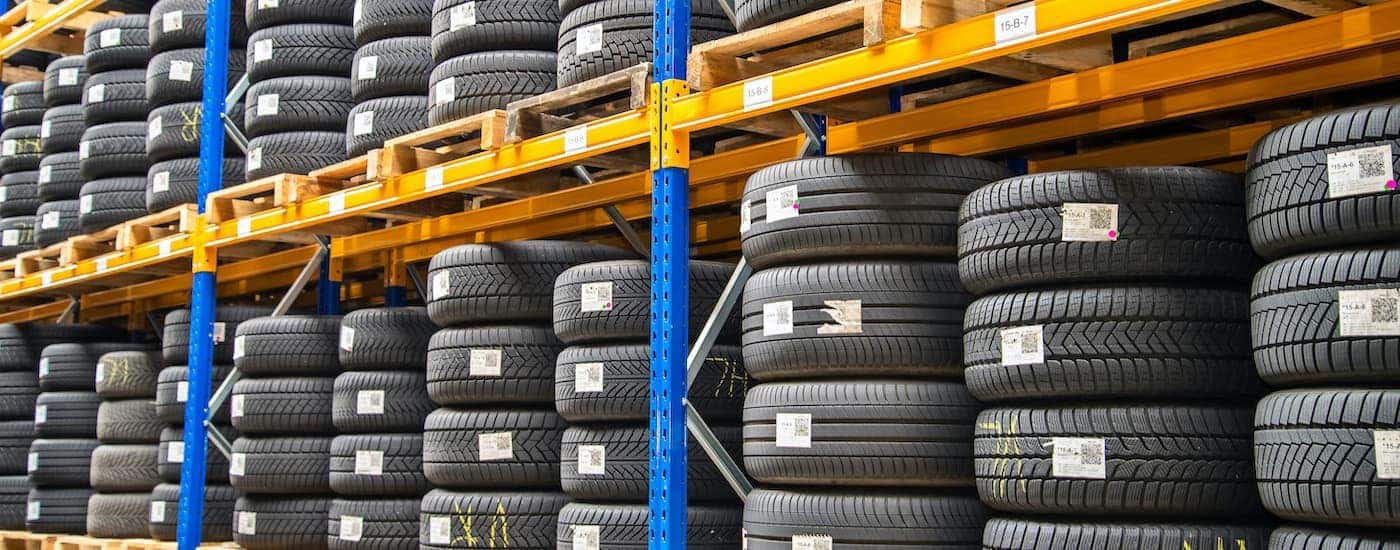
If you're not a hardcore off-roader but still like to hit the trail occasionally, these tires are a nice fit. You can depend on all-terrain tires to get the job done. Unlike summer tires, these tires can handle inclement weather conditions such as rain and snow. They'll also tackle gravel and dirt without making on-pavement drives uncomfortable. However, unlike mud-terrain tires, all-terrain tires provide drivers with a smooth ride when on the blacktop. These tires are also easier on fuel economy than full-on mud-terrain tires.
So far, we've pointed out several disadvantages of these tires, but the benefits greatly outweigh the negatives when you hit the trails. When you're a genuine off-roading type of Jeep driver, mud-terrain tires are an absolute necessity. While they're a bit harsher on your fuel economy, keep in mind that you're probably not driving a Jeep for its fuel efficiency in the first place. You want some tough tires that can withstand heavy mud, rocks, and lots of on-trail bouncing.
Mud-terrain tires are also more robust than other tire types thanks to their reinforced sidewalls and deep treads. Even if you just like the off-roading look, these tires are still a good option. As long as you don't mind the additional noise, a set of mud tires can be the perfect companion for your Jeep!
While mud-terrain tires are ideal for most rough conditions, if you see yourself encountering tons of sub-zero temperatures and snowstorms, it may be a good idea to switch to winter tires during the winter season. Even if your Jeep has 4x4, you will feel more confident on the road with winter tires.
While your mud-terrain and all-terrain tires can tackle snow, they aren't as effective in cold weather. It is recommended to get winter tires if you are driving in temperatures that are below 45 degrees. Here in Colorado Springs, the average high over the winter months is between 43 and 45 degrees, while the low is in the mere teens. So, even if you love your mud tires during nice weather, you may want to ask us about switching out to winter tires during the cold weather season.
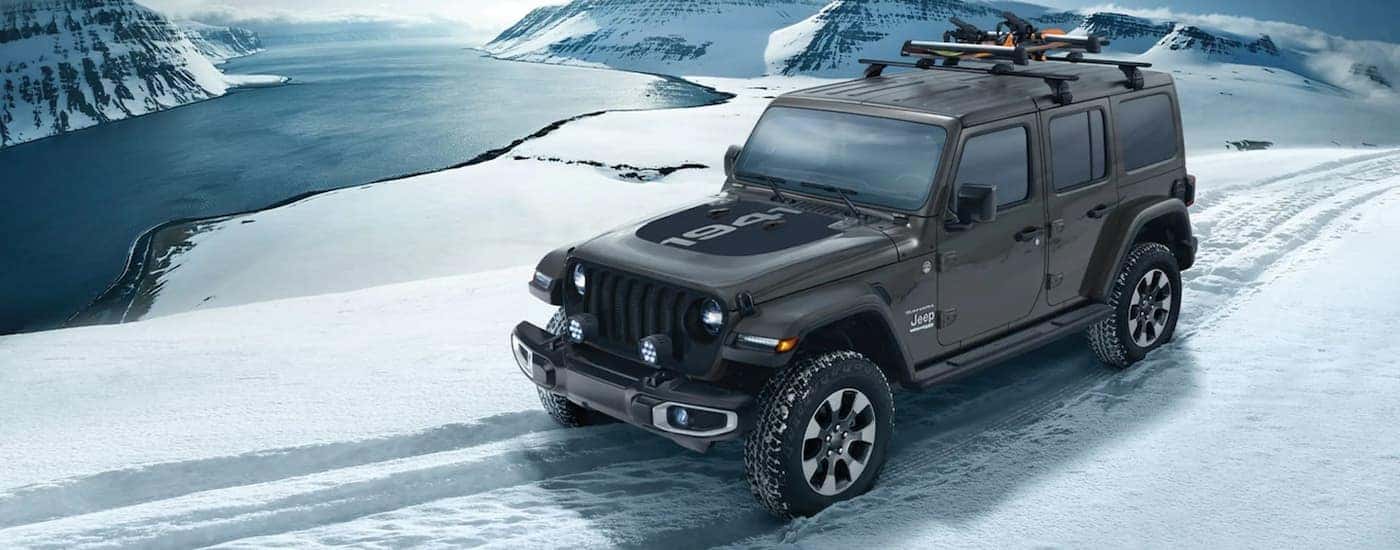
There are tons of pros and cons to each tire type, which can make this decision a bit difficult. We've got some questions for you to consider before you make your final decision.
Our customers know they can always count on us for all their tire needs, from routine tire rotations, alignments, and balancing to shopping for new tires. But how do you know when it's time for new tires? What do you need to know about seasonal tire changes? We're here to help.
Tires are designed to withstand the demands of the road and trail, but they eventually wear out and must be replaced. So, how do you know when it's time for new tires? The easiest way is to measure the tread. You can do this using a penny and a quarter, inserting the coins with the top of the president's head facing down. If President Washington's head is hidden, your tires have plenty of tread. However, if you can see the top of President Lincoln's head, the tread measures less than 2/32", and the tires should be replaced immediately.
Once you measure the tire tread, visually inspect the tires for signs of damage. Does the tread wear look even and consistent? Or are certain parts of the tire wearing out faster than others? Is the sidewall damaged? If anything seems out of place, let our tire experts take a look at it. Finally, check the date code on the tires to see how old they are. Most manufacturers suggest replacing tires once they hit the six-year mark, and if you have any tires that are more than 10 years old, it is past time to get a new set.

Most Jeep drivers know the importance of a high-quality set of tires, including the value of swapping all-season or all-terrain tires for winter tires when the seasons change. Ideally, switching to your Jeep's winter tires will occur when the temperature is consistently below 45 degrees Fahrenheit. Winter tires are made from a unique rubber compound that remains flexible and optimizes traction as temperatures plummet, making it essential to watch the weather as the seasons change to know when to bring your Jeep in for a quick tire swap.
Tires can be expensive, but the value of that investment is impossible to argue. A set of quality tires is engineered to keep you safe and give you confidence behind the wheel. They give you the means to get from Point A to Point B, whether it's your weekday commute or a weekend adventure on the trail. Even so, many of our Jeep customers wonder why it's recommended to replace their tires in sets or pairs.
Jeep is renowned for its legendary four-wheel drive systems. However, these systems require four identical tires to function properly. Jeep's full-time four-wheel drive systems send optimal torque to each wheel to enhance traction, but a mismatched tire forces the differentials to work overtime and can lead to premature wear or failure. Even if all of your tires are the same type, a worn tire will have a smaller diameter than a brand-new tire, putting stress on the system. If you have a four-wheel drive Jeep, you should replace all four tires as a set.
If your Jeep is two-wheel drive or has a part-time four-wheel drive system, you can usually replace the tires in pairs rather than all four as a set. This solution is cost-effective and doesn't hinder your Jeep's performance. We recommend replacing both tires on the same axle as a pair and ensuring that all four tires are the same brand, size, and tread pattern to mitigate unsafe handling and excessive wear and tear.
If you've spent any time shopping for a set of tires, then you know they're an investment in your Jeep's performance and your safety behind the wheel. Whether you spend most of your time on or off the pavement, we're committed to helping you get the most from your tires and Jeep every adventure ahead. So, how can we help?
Extending the longevity and preserving the performance of your tires begins with preventative and proactive maintenance. Tires are often off our radar until we're stranded on the side of the road with a flat. Being aware of the condition of your tires and having a routine maintenance schedule can help minimize inconveniences and expenses, adding to your peace of mind and confidence in the driver's seat.
Proper tire pressure is one of the best and easiest ways to extend the life and performance of your tires. Off-roaders know this first hand because tires are usually aired down before tackling technical terrain. Reducing the air pressure in the tires makes them more flexible, increasing traction on uneven surfaces and helping with steep ascents or descents. However, at the trail's end, off-roaders reinflate their tires to the proper pressure for pavement driving because that added flexibility can lead to blowouts at high speeds.
Monitoring your Jeep's tire pressure is easy, whether you use the built-in tire pressure monitoring system or a hand-held tire pressure gauge. Either way, the ideal pressure is listed on a sticker inside the driver's door jamb. This pressure optimizes the tire's shape, improving traction, reducing fuel consumption, and promoting even tread wear when traveling on paved roads.
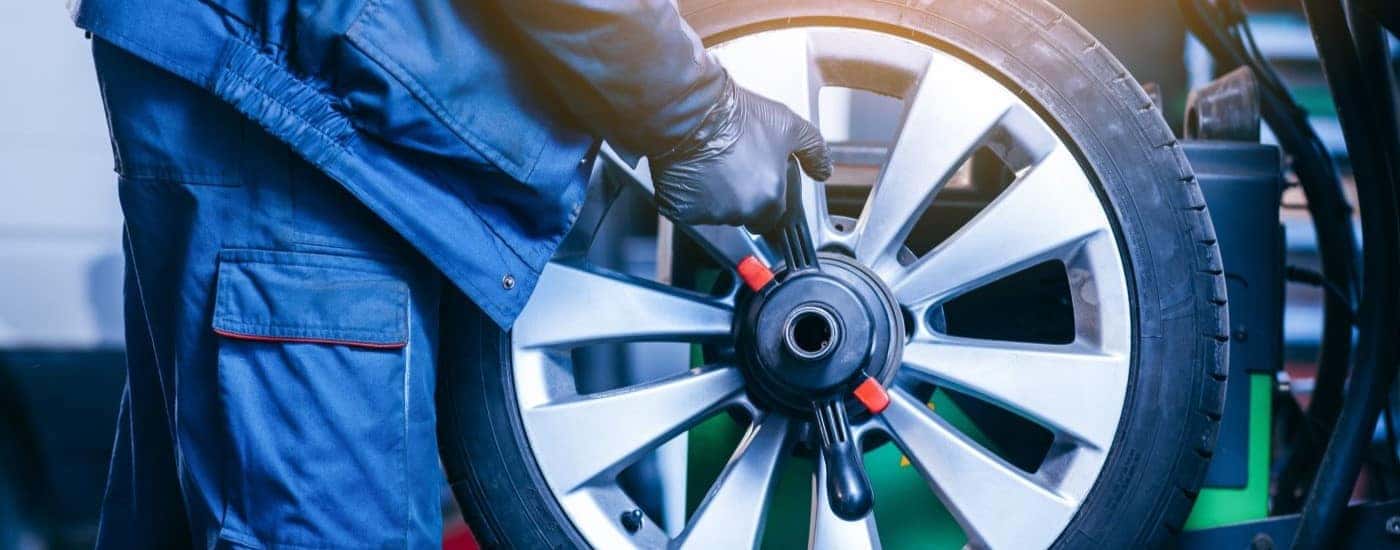
Rotations, alignments, and balancing are the "Big Three" tire services we offer that are integral to how your tires perform and how long they last. Anytime you bring your Jeep in for a routine oil change, we'll also rotate the tires, which includes the full-size spare in models like the Wrangler. This rotation ensures the tires wear evenly and is generally done every 6,000 to 8,000 miles. However, if you spend more time on the trails, you'll likely benefit from more frequent rotations, such as every 3,000 to 5,000 miles.
Alignments are another must in tire care, especially if you notice your Jeep pulling to one side or your tires squealing. During an alignment, our technicians will measure the camber, caster, toe, and thrust angles of your wheels relative to the suspension and steering. Jeep specifies the ideal angles, but sometimes rough terrain, potholes in the road, or minor fender benders can throw these angles off. Fortunately, it's a relatively easy fix, with our technicians using an alignment rack and sensors to make the necessary adjustments. Ideally, this service takes place every six months or 6,000 miles, but rock crawling or just hitting a pothole might bring you into our service center for an alignment sooner.
Finally, tire balancing is another standard part of tire maintenance that ensures the weight of each tire is evenly distributed on the wheels. Our technicians will evaluate this balance using our state-of-the-art equipment, which assesses the imbalance and tells us the right amount of weight the tire needs to be correctly balanced. The service, which occurs whenever you mount a new tire on a wheel, mitigates excessive wear on your tires, heightens the performance of the suspension, and improves fuel economy and ride quality.
We are Jeep enthusiasts here at Faricy Chrysler Jeep, so you can bet that we go far beyond tire and wheel upgrades for your Jeep. Here, we can replace your bumper (both for aesthetics and functionality), add on running boards of your choice, and even hook you up with some great-looking protective seat covers. We can go beyond just the looks as well, enhancing your Jeep with performance upgrades, like an air intake system, better suspension, and much more. We don't stop at your initial purchase. When it comes to a Jeep, we know that the upgrades are endless. There's always something "more" that can be done to a Jeep (especially Wrangler).

Whether you've got a city cruiser or a backroad bouncer, we are ready to upgrade your Jeep to best suit your needs. We've got every tire type you can think of, and we're more than happy to help you decide which option is best for you. Plus, it's easy to get in to see us when it's time to switch those tires out for the winter. All you have to do is make an appointment with us via our website or over the phone, and we'll make sure you're ready to tackle the winter ice and snow.
If you're busy with work, school, or the like, we can hook you up with a loaner car so you don't have to sit and wait for us to finish your upgrades. While we strive to stay fast and efficient, we respect your time first and foremost. We also offer an early bird dropoff option if you have someone who can pick you up and bring you back by our shop later. Lastly, we offer extended hours, so if you work that typical nine-to-five slot, you can still squeeze your Jeep in for a tire change. Call or visit Faricy Chrysler Jeep today to get the best new Jeep tires around. We look forward to working with you!

